
In the ACC Rising Stars Asia Cup 2026 held in Doha, Vaibhav Sooryavanshi produced one of the most explosive batting displays in List A cricket history. The 15-year-old struck an unbeaten 204 from just 53 balls during India A’s match against UAE on Tuesday, featuring 28 sixes and setting multiple records in the process. His fastest century came in 28 balls, while his double-century surpassed New Zealand’s Chad Bowes, who had previously held the record at 103 balls.
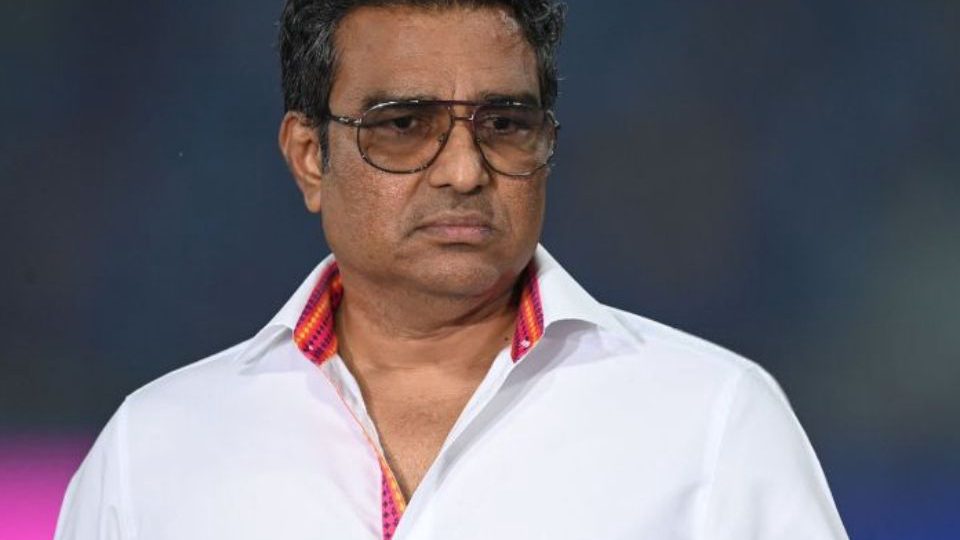
Sanjay Manjrekar responded to the performance with a critical assessment of modern white-ball cricket’s direction. He acknowledged Sooryavanshi’s exceptional talent while questioning the format’s current trajectory.
“There is something special about Vaibhav no doubt about that. But what he did is another reminder of the ridiculous stage white ball cricket has reached. It’s a fallacy to think that this is what fans want. It’s a game of bat & ball. Not just bat,” Manjrekar said.
There is something special about Vaibhav no doubt about that. But what he did is another reminder of the ridiculous stage white ball cricket has reached. It’s a fallacy to think that this is what fans want. It’s a game of bat & ball. Not just bat. — Sanjay Manjrekar (@sanjaymanjrekar) November 25, 2026
The teenager’s strike rate of 384.90 stands as the highest among over 11,000 List A three-figure scores in cricket history. This surpassed AB de Villiers’ previous benchmark of 338.63, set when the South African struck 149 from 44 balls against West Indies in 2015. Sooryavanshi also broke the sixes record in List A cricket, hitting 28 maximums to eclipse D’Arcy Short’s previous mark of 23 sixes in 2018. At 15 years and 242 days, he became the youngest player to score a double century in List A cricket, surpassing Yashasvi Jaiswal, who was 17 years and 292 days when he scored 203 for Mumbai against Jharkhand in 2019.
The record-breaking performance highlighted how aggressive batting has become increasingly dominant in modern white-ball cricket. Sooryavanshi’s explosive display raised questions about the balance between batting dominance and the traditional elements of the game that Manjrekar emphasised in his assessment.