
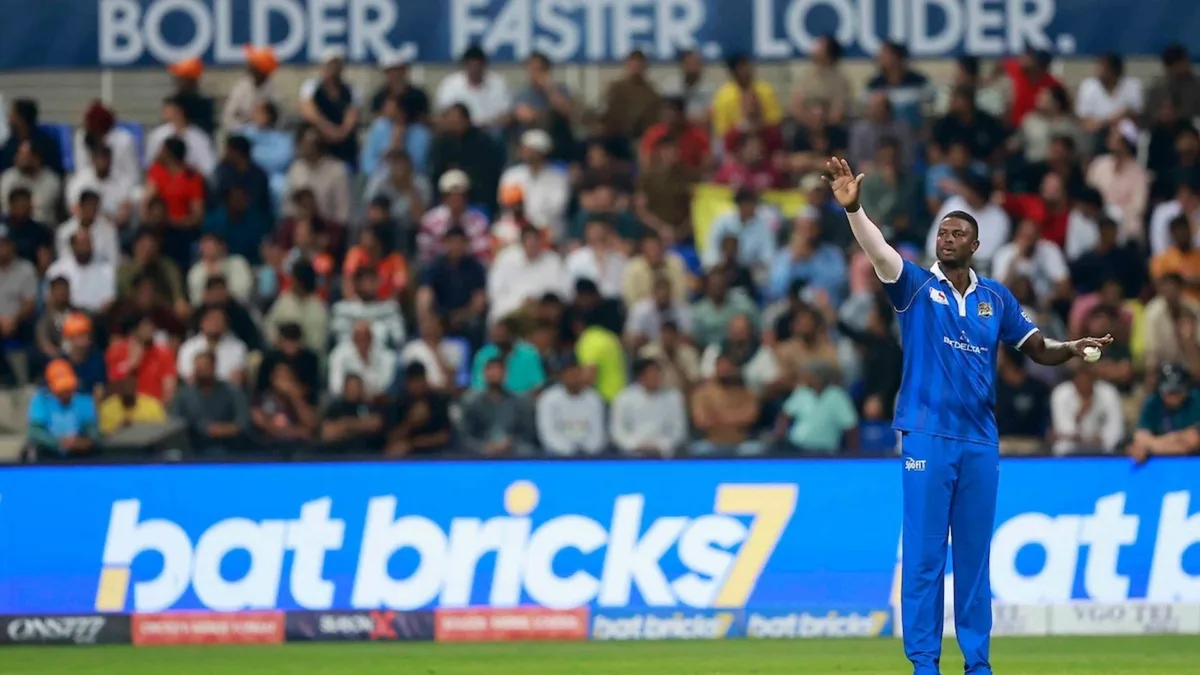
The tournament has a new owner, ten-year franchise licences and plans to grow. Turning a fortnight of cricket into something that lasts all year will depend on what happens away from the main pitch, and the women’s game is the clearest opportunity.
General admission for this year’s Abu Dhabi T10 costs Dh20, with tickets available for every match, the final included. Fans who bought before November 2 paid Dh10. This year’s Fan Village offers games, face painting, food trucks and bouncy castles for visitors of all ages. Last year a Super Fan Contest offered winners masterclasses with former international players and the chance to work as ball kids.
That is a start. The people now running the tournament want something more lasting, and the structure they have put in place since May is built for the long term.
On May 20, Abu Dhabi Cricket & Sports Hub (ADCSH) took majority ownership and commercial control of the Abu Dhabi T10, with the support of the Abu Dhabi Sports Council and the Emirates Cricket Board (ECB). The announcement described the tournament as a long-term national sporting asset. Franchises are now offered ten-year licences, and Matt Boucher, chief executive of the Hub and of the T10, has said he wants standard agreements for every owner, giving the competition stability for years to come.
The Hub already works well beyond the T10. Alongside Zayed Cricket Stadium and the floodlit Tolerance Oval, it hosts around 30 sports and close to three-quarters of a million athletes a year. Its Zayed Cricket Academy runs junior cricket programmes. That gives the tournament something many franchise events lack: a permanent sporting site with junior cricket on it all year round.
For local cricketers the most direct legacy is a place in the side. Every XI this year must include at least two UAE players. Franchises that are active through the year could run clinics, visit schools and follow young players long after the final, and owners on ten-year licences have every reason to invest in the communities they want to win over.
The clearest opportunity is in the women’s game, which has grown quickly in the UAE. When the country hosted the ICC Women’s T20 World Cup in 2024, more than 91,000 spectators attended. The ICC says senior female participation in the UAE has since risen from 315 players to 1,155, and junior participation from 420 to 750. The Emirates Cricket Board’s Girls Under-15 Academy League was named Development Initiative of the Year at the ICC Development Awards this year.
The national team has kept pace. The UAE women gained ODI status in 2025, and this year they played their third consecutive Asia Cup, staged in Dubai, with the captain Esha Oza hoping a home event would bring more girls into the game.
Abu Dhabi has played its part. Zayed Cricket Stadium staged its first women’s international in September 2022, the UAE against Thailand, and in 2024 the emirate hosted the qualifying tournament for that year’s Women’s T20 World Cup.
A women’s competition would be a natural next step for a tournament that wants to leave something behind, and the format would suit it. A 90-minute match is easy to schedule alongside a men’s fixture list, and short formats have already helped women’s cricket elsewhere. The women’s competition in England’s Hundred drew 349,401 spectators in 2025, which the England and Wales Cricket Board says is a record for a women’s competition. The ICC’s own global research, published in 2018, found that 39 per cent of the game’s fans were women.
The owners have other foundations to build on. Tickets are affordable, the venue is permanent and the franchises now have licences long enough to plan.
How much of that turns into lasting change will become clear over the life of the new licences. The best evidence will be things that can be counted: first-time spectators, girls who pick up a bat after watching a match, and UAE players who move from franchise squads into the national team. The tenth edition, under way since November 7, is the first chance to start counting.