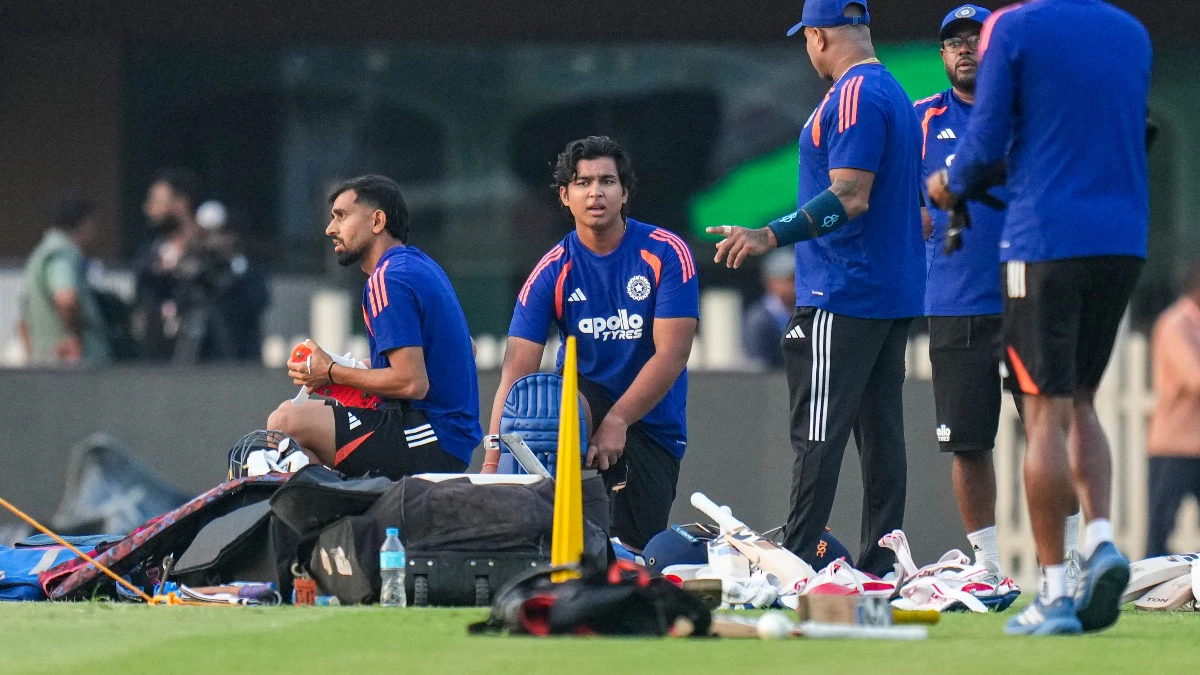
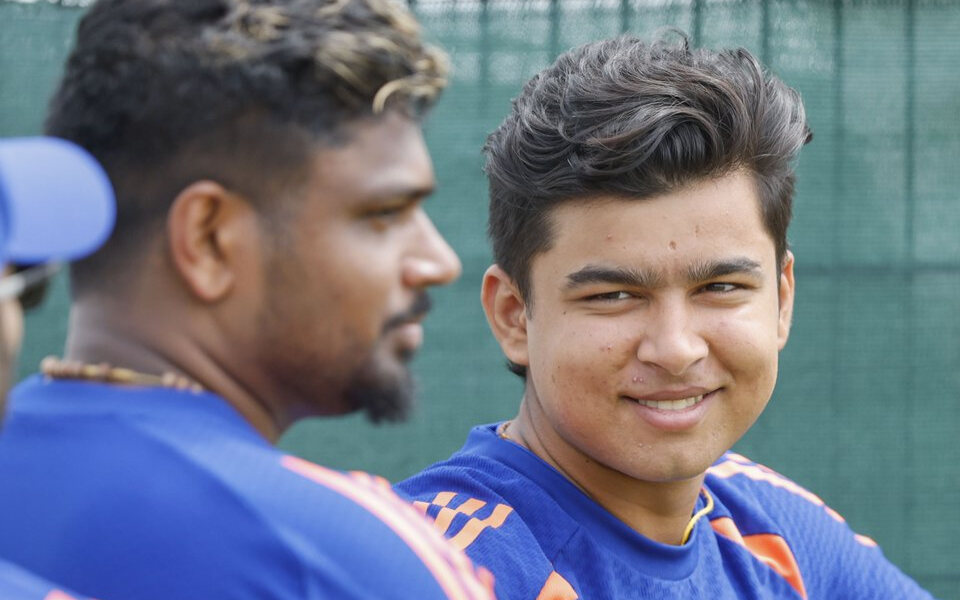
Vaibhav Sooryavanshi at No. 3 helps nobody, but leaving him out of India's XI is not as simple as it sounds



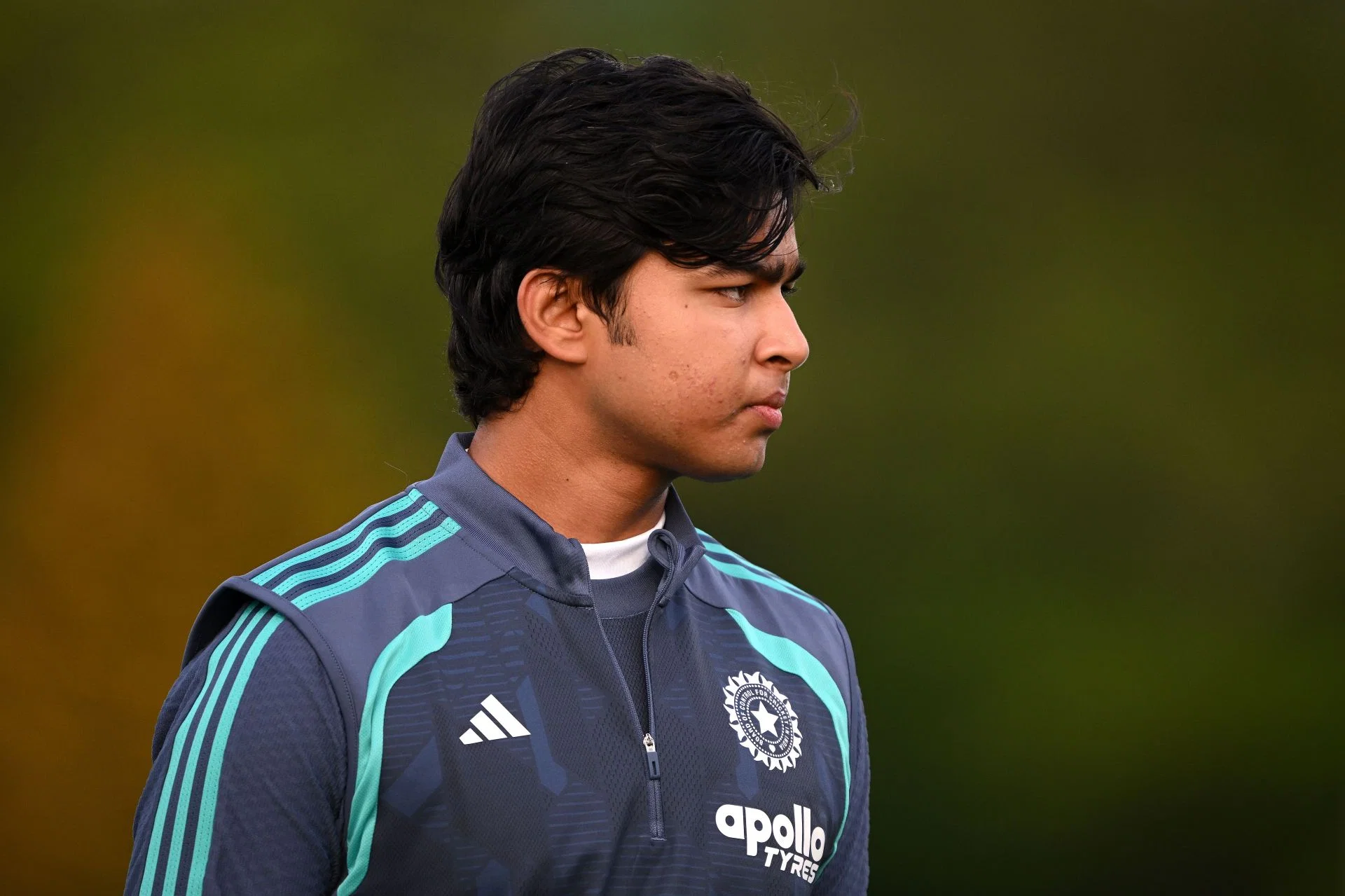
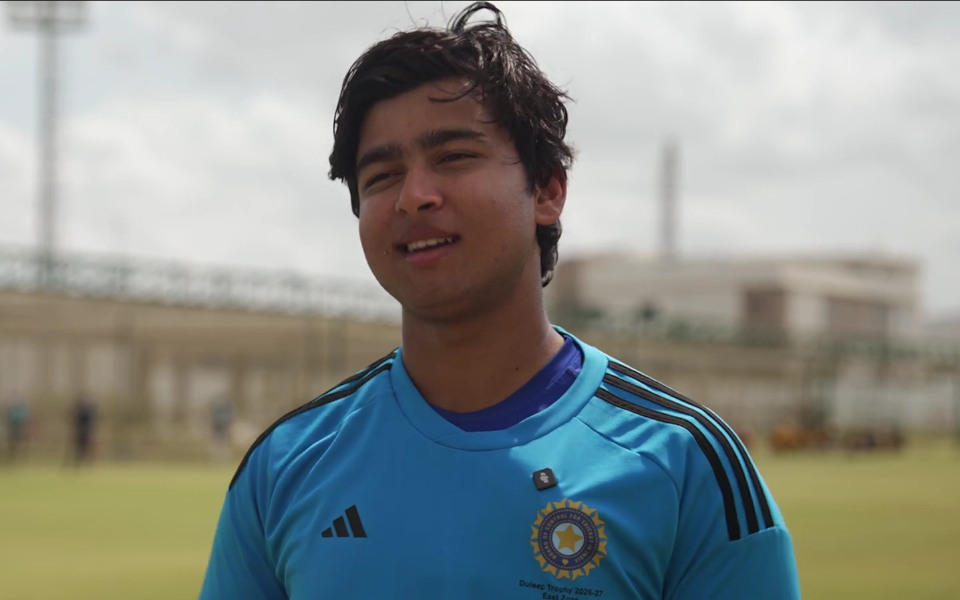
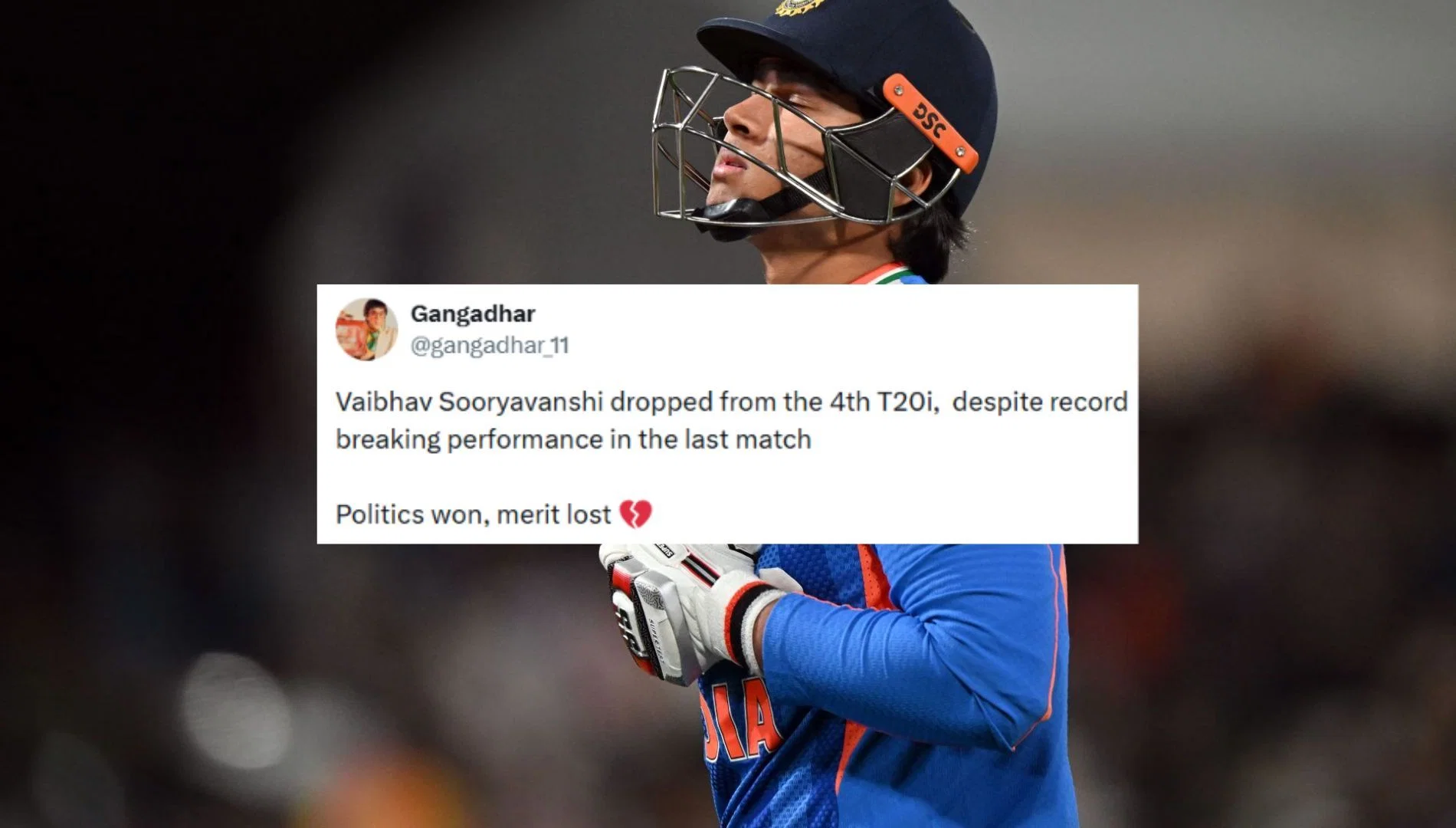
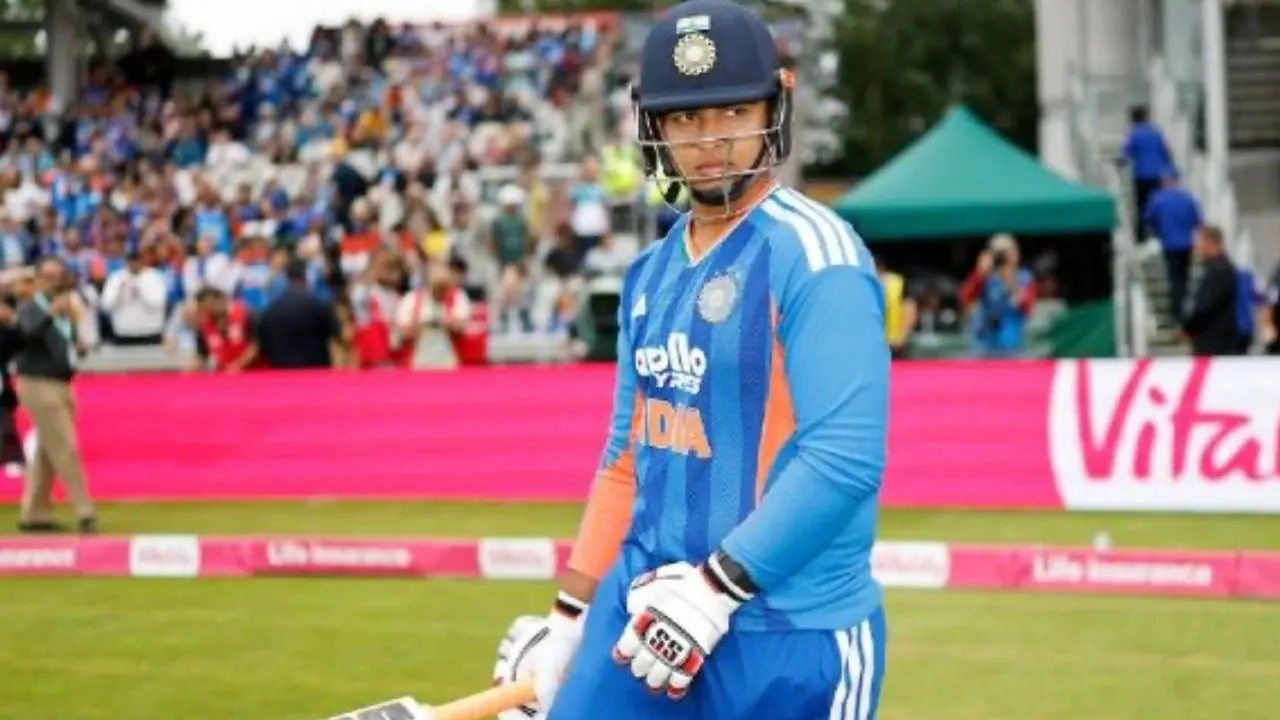
Vaibhav Sooryavanshi finally got his chance on Saturday, and it lasted eight balls: four runs, an expansive drive that never found the middle of the bat, and a low catch at cover by Daryl Mitchell off
Vaibhav Sooryavanshi finally got his chance on Saturday, and it lasted eight balls: four runs, an expansive drive that never found the middle of the bat, and a low catch at cover by Daryl Mitchell off Nathan Smith.
On Monday the BCCI ruled Ishan Kishan out of Tuesday's third T20I in Wellington with the right adductor strain he picked up in the series opener. India lead the five-match series 2-0 after two last-over chases in Christchurch, and a win tomorrow would seal it.
The question, then, is not whether Sooryavanshi can play. It is whether an opener who has never batted anywhere else fits a top order that already holds two in-form openers.
Vaibhav Sooryavanshi has batted one way his whole life, and that way begins with the new ball
Every innings that made his reputation came at the top. He was Player of the Series in Zimbabwe in July on the back of two fifties, and his T20I numbers before this tour read 246 runs in eight matches at 30.75, with a strike rate of 186.36 (CricTracker). That is a body of work built on facing the new ball, not on walking in during the sixth over.
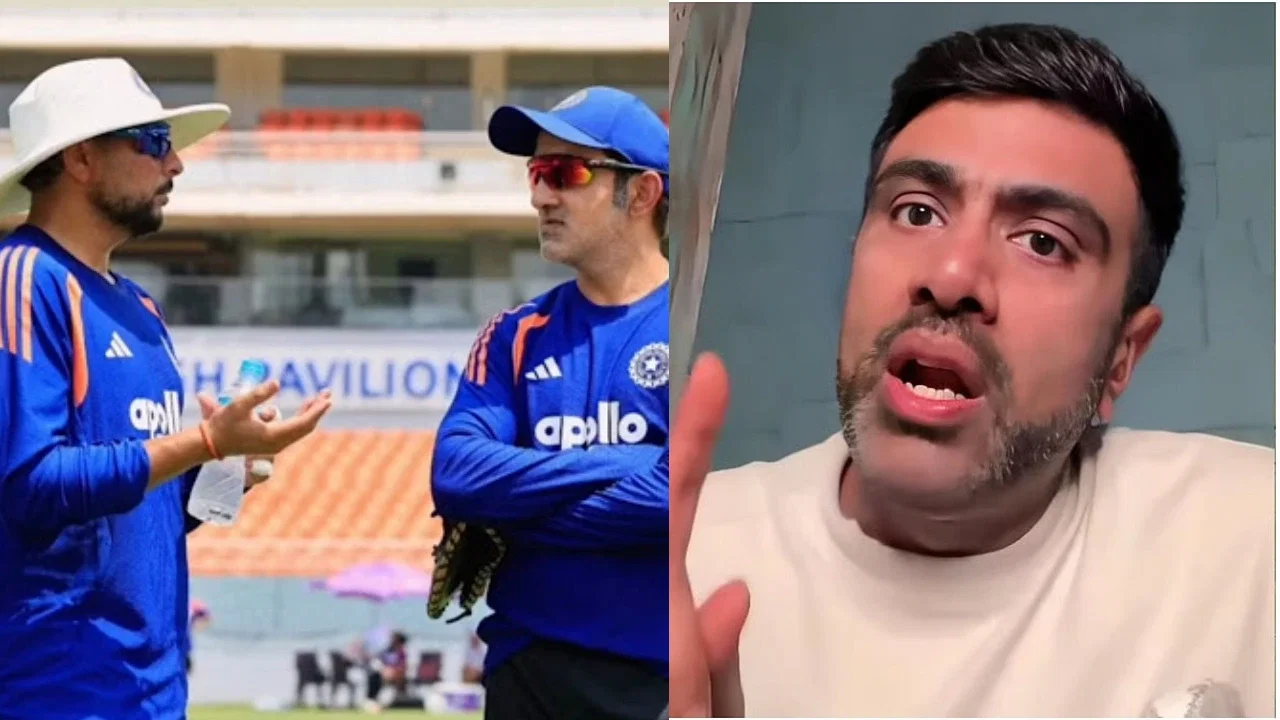
Speaking on his YouTube channel (H/T NDTV), India great R. Ashwin said:
“He just found himself a little like a fish out of water. He kept going hard, kept going hard for the eight balls.”
Ashwin added that, for the teenager, “walking in during the sixth over is not his cup of tea”, while former India left-arm spinner Murali Kartik said that if Sooryavanshi played at all, “he should have opened”.
India's openers have won a World Cup and a record chase together, so the case for splitting them has to be stronger than one quiet night
That case is not obvious. Sanju Samson made 67 off 33 balls and Abhishek Sharma 29 off 12 in a 93-run powerplay stand that set up India's highest successful T20I chase, 226 at Hagley Oval. Samson's five innings against West Indies had brought 168 runs (11, 82, 3, 56 and 16), and although he made only 14 on Saturday, Abhishek's 27 was the best score of India's top four.
India captain Shreyas Iyer set out the thinking before the series, and two matches have not changed it:
“It's not like he can walk in right now, because our openers are scoring consistently, and they have won the World Cup.”
There is, though, a template that worked. At the Asian Games in Japan, Sooryavanshi opened with Abhishek and Samson moved to No. 3, and India came home with gold. Samson has batted three for much of his IPL career with Rajasthan Royals, and the role suits a player who can shift gears.
Then there is Shivam Dube, who has watched both games from the bench. India preferred Naman Dhir's batting to Dube's bowling, but a fresh Wellington pitch, a strong wind and early seam movement make a sixth bowling option more valuable than it was in Christchurch. With Dube in and Sooryavanshi dropping out, Iyer moves up to three and the batting still runs to Axar Patel at eight.
So the answer is conditional. If Sooryavanshi plays, he opens and Samson bats three, because that is the only version that helps anybody: India get their most explosive young batter where he is most dangerous, and Samson gets a role he knows. If the management will not break up the opening pair in a series it can close out on Tuesday, Dube should take the slot, and Iyer should bat at No. 3: a No. 3 who has never batted there gives India neither the teenager's best nor the extra bowler.
Kishan's fitness will shape the playing XI for the rest of the series. Sooryavanshi, still only 15, will be hoping for one more look at the top of the order in Wellington, and India will be hoping the series is settled first.
Looking for fast live cricket scores? Download CricRocket and get fast score updates, top-notch commentary in-depth match stats & much more! 🚀☄️