Shreyas Iyer Surpasses Rohit Sharma For Big Feat As India Captain In T20Is


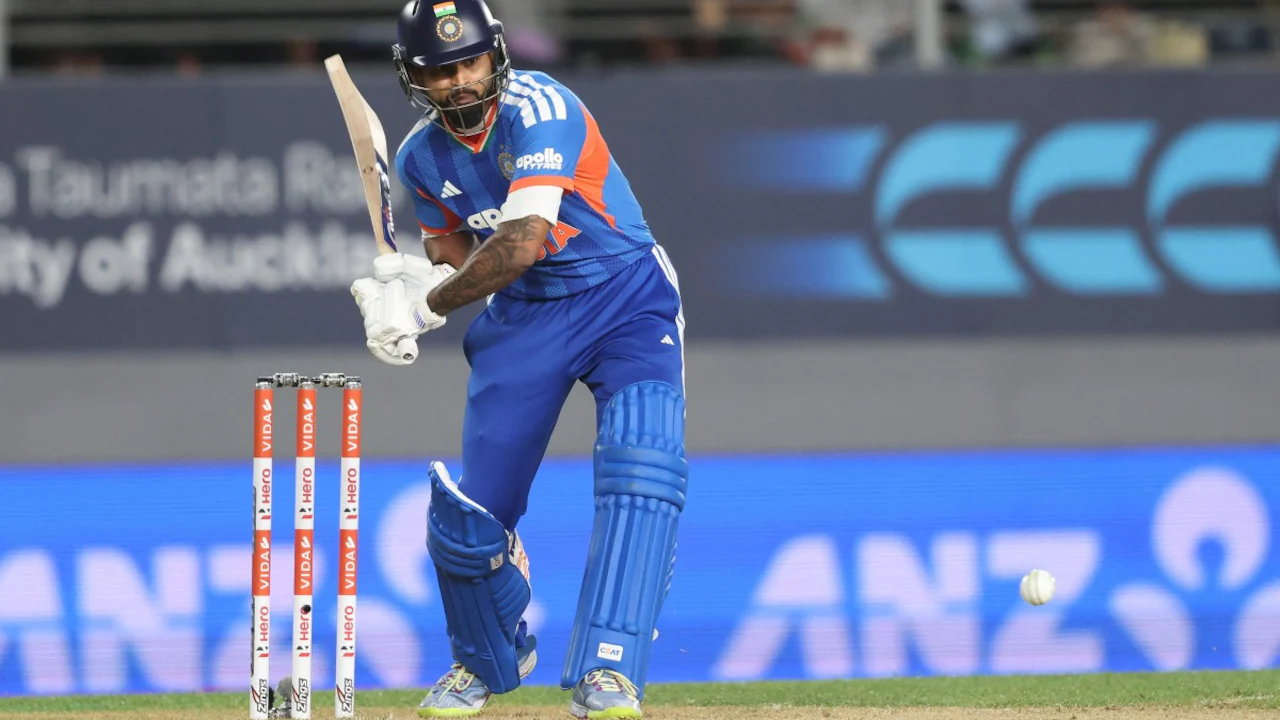
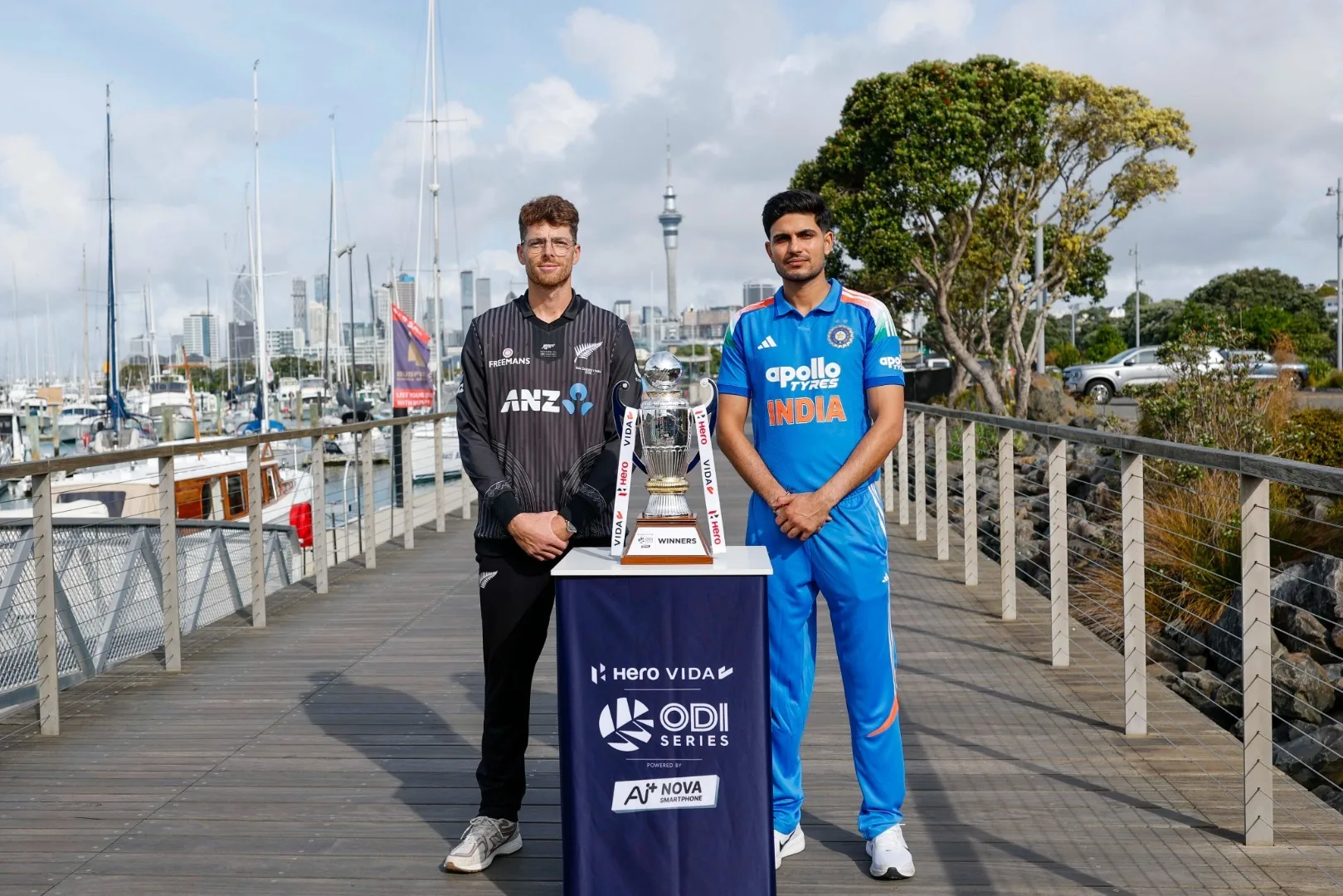
The Shreyas Iyer-led India could not finish on the winning side in the fourth T20I against New Zealand. However, Shreyas Iyer reached a personal milestone
The Shreyas Iyer-led India could not finish on the winning side in the fourth T20I against New Zealand. However, Shreyas Iyer reached a personal milestone. He scored 22 off 11 balls. In doing so, Iyer became the player with the most runs for India in a calendar year in T20Is as captain. Iyer has scored 666 runs in 25 T20Is in 2026. In 2022, Rohit Sharma played 29 T20Is as India's captain and scored 656 runs. Glenn Phillips and Michael Bracewell put on a batting masterclass to lead New Zealand to a record 259/7 in the fourth T20I at Eden Park on Friday.
Phillips (107 off 49 balls), arguably the batter of the series so far, smashed his third T20I century, while Bracewell made 65 off 25 balls to help New Zealand post their highest-ever T20I total and the highest score by any team against India in the format.
This surpassed New Zealand's previous highest score of 254/5, which they had posted against Scotland four years ago. It is also the highest total by any team against India, eclipsing the 257/3 that England scored in Southampton earlier this year.
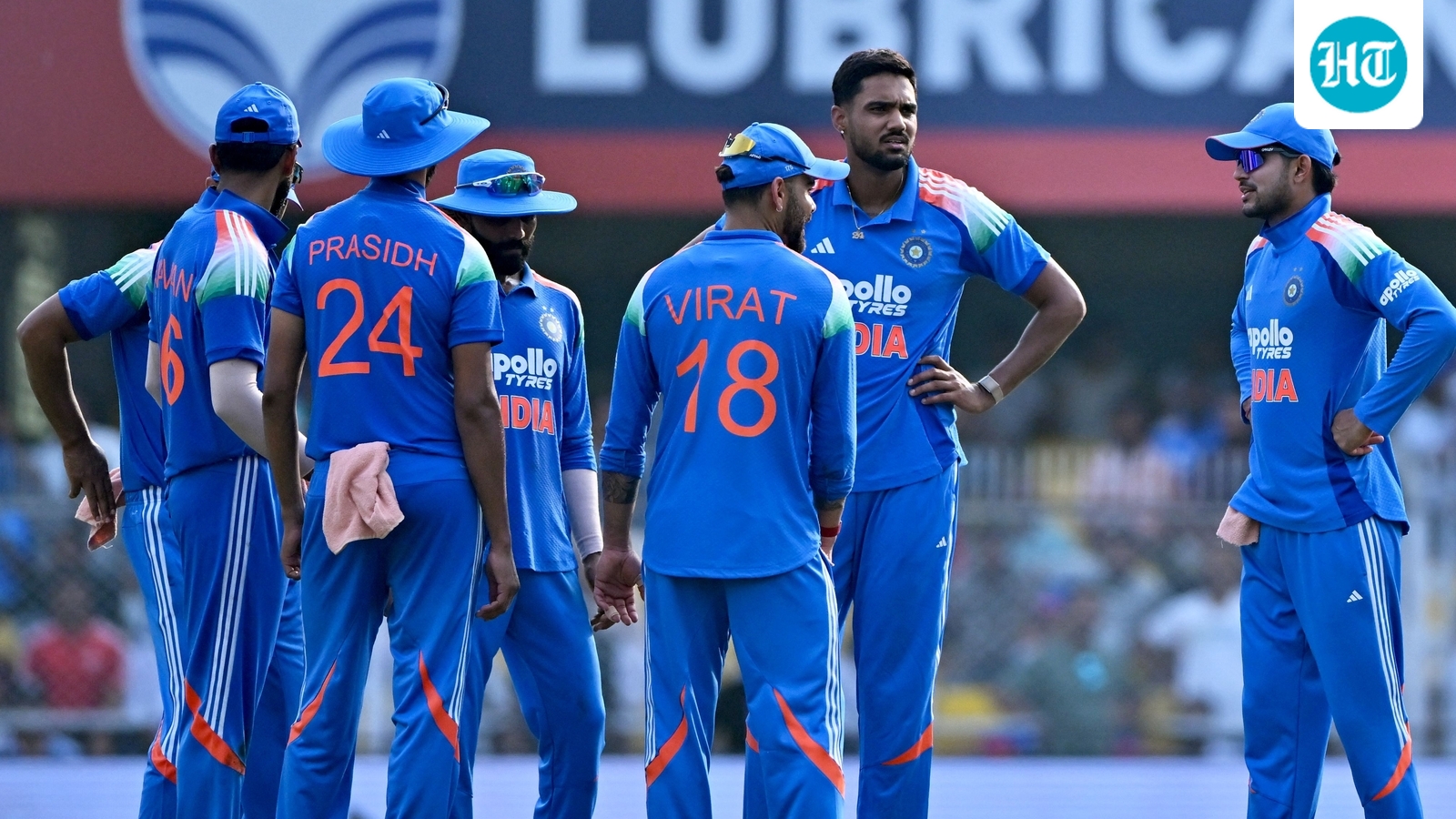
The Indian bowlers endured a tough outing. They received the same harsh treatment that Indian batters have generally dished out to the Kiwis throughout the series.
Nitish Kumar Reddy was hit for a costly 32-run over, while Axar Patel, Mayank Yadav and Prince Yadav were also taken apart by the New Zealand batters. Arshdeep Singh also achieved a significant milestone during the match as he completed 150 T20I wickets, becoming the first Indian to reach the landmark in the format.
For India, Mayank Yadav was the pick of the bowlers, returning figures of 3/48 in his four overs on his return, while Arshdeep Singh, Prince Yadav and Nitish Kumar Reddy picked up one wicket each.
Featured Video Of The Day
Spain Vs Argentina | Dani Olmo On WC Triumph: 'Wanted To Set An Example For The Next Generation'